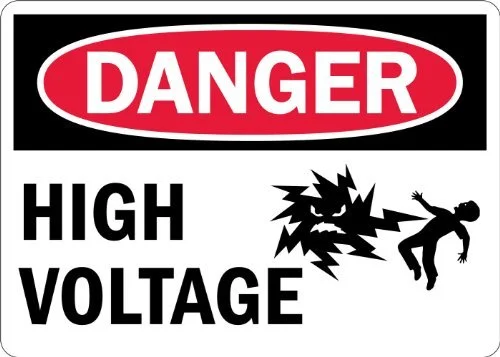
Electric shock occurs when an electrical current touches or travels through the body. It can happen anywhere there is electricity. Exact effects vary depending on the electrical source. For instance, shocks from household outlets are often mild, while shocks from power lines can be severe or fatal. When an electric shock is fatal, providers call it electrocution.
Voltage pushes electricity through lines, wires, and devices. High voltage means there is more electricity, while low voltage means there is less. But low-voltage electric shocks can still be dangerous or, in some cases, fatal. Seemingly minor injuries can cause complications inside your body that might not be noticeable right away. For this reason, anyone with an electric shock injury, even a minor one, should see a healthcare provider as soon as possible.
If you are with someone who experiences electric shock, call 911 immediately. Do NOT touch the person if they are still in contact with an electrical current. Unless they are in danger of additional injuries, do NOT move them. Doing so can cause further injury. If possible, turn off the source of power.
Possible symptoms of electric shock are:
Unconsciousness
Numbness or tingling
Muscle spasms
Weak or irregular pulse, or no pulse
Burns (usually where the electricity enters and exits your body)
Shortness of breath (dyspnea)
Abdominal pain
Chest pain
Seizures
Headaches
Vision or hearing issues
Cataracts (if the electricity passes through your eyes)
Burned, charred lips (if a child gets shocked from chewing on an electrical cord)
Several things can cause electrical injuries:
Old, damaged, or exposed electrical wiring
Getting water on household outlets or appliances
Cutting through a live electrical cable
Faulty household appliances
Fallen power lines
Lightning strikes (less common)
Around 30,000 non-fatal electric shock injuries occur in the United States every year. About 20% of these occur in children (often from chewing on electric cords or sticking metal objects into outlets). The rest occur in adults and typically in those who work in construction or similar industries.
About 1,000 people in the United States are electrocuted (fatally shocked) every year. Around 400 of these deaths occur from high-voltage electric sources. Between 50 and 300 cases occur from lightning.
Electric shock can cause a range of health complications including:
Infection (most common cause of death in people hospitalized after an electric shock injury)
Irregular heartbeat (arrhythmia)
Cardiac arrest
Coma
Amnesia
Respiratory arrest (when you can’t breathe on your own)
Burns
Psychiatric disorders, including anxiety, depression or personality changes
Blunt force trauma or broken bones (if thrown from the electric source)
Electrical injuries can cause significant damage to the body through several mechanisms:
Direct Electrical Injury: When an electric current passes through body tissues, it can cause direct damage. This is often seen in the form of burns at the entry and exit points of the current.
Thermal Injury: Electrical energy is converted into thermal energy, which can cause burns. The amount of heat generated depends on the current, resistance of the tissues and the duration of exposure. Tissues with higher resistance, such as skin, bone, and fat, tend to suffer more damage.
Mechanical Injury: High-voltage electrical injuries can cause intense muscle contractions, leading to fractures, dislocations, and falls. These mechanical effects can result in additional trauma.
Cardiac and Respiratory Effects: Electrical currents can disrupt the normal electrical activity of the heart and respiratory system, potentially leading to arrhythmias, cardiac arrest, or respiratory failure.
Electrical injuries can be categorized into several types based on the nature and severity of the injury:
Electrocution: This is the most severe type of electrical injury, resulting in death or serious injury when an electrical current passes through the body.
Electric Shock: This occurs when a person comes into contact with an electrical source, causing an electrical current to pass through part of the body. Unlike electrocution, it does not result in death but can cause serious injuries.
Burns: Electrical burns can occur at the entry and exit points of the current or internally. These burns can be both disabling and disfiguring, affecting not only the skin but also deeper tissues, muscles, and organs.
Arc Flash/Blast Injuries: These injuries result from high-voltage electrical systems where an arc flash or blast can cause burns, blunt trauma, and even blast injuries due to the intense release of energy.
Trauma to the Brain: Electrical injuries can cause neurological damage, leading to memory loss, depression, and difficulty performing normal tasks.
The long-term effects of electrical injuries can be quite varied and may affect multiple systems in the body. Here are some of the most common long-term effects:
Neurological Problems: Persistent issues such as memory loss, chronic pain, numbness, and tingling can occur due to nerve damage.
Psychological Changes: Survivors may experience anxiety, depression, and post-traumatic stress disorder (PTSD) following an electrical injury.
Cardiac Issues: Arrhythmias or other heart problems can persist long after the initial injury.
Musculoskeletal Problems: Muscle damage and severe contractions during the injury can lead to long-term pain, weakness, and mobility issues.
Eye Damage: Cataracts and other vision problems can develop, especially if the injury involves high voltage.
Chronic Pain: Many survivors report ongoing pain that can be difficult to manage.