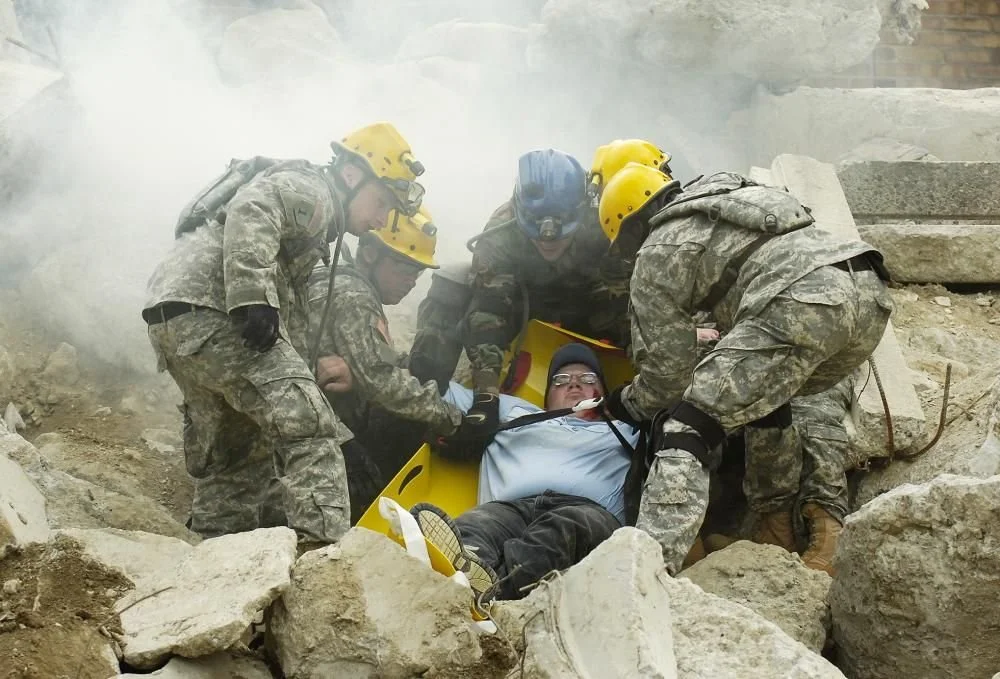
Crush injuries occur when a body part is subjected to a high degree of force or pressure, usually after being squeezed between two heavy objects, compression from a heavy falling object, or a heavy object/piece of equipment running over an extremity/body part. The more forceful the crushing is, the more severe the damage/injury is. The level of injury is also impacted by the location of the affected area and the hardness of the object. The mechanism of injury involves other several key factors:
Direct Tissue Damage: The compressive force directly damages muscles, nerves, blood vessels, and skin. This can lead to immediate pain, swelling, and bruising.
Impaired Blood Flow: The pressure can occlude venous outflow, leading to ischemia (lack of blood flow) and subsequent tissue death. Prolonged compression can result in myonecrosis (muscle cell death) which is a hallmark of crush syndrome.
Cellular Disruption: The sarcolemma membrane (the outer membrane of muscle cells) becomes leaky due to the pressure. This allows sodium, calcium, and water to enter the cells, causing them to swell and eventually rupture.
Systemic Effects: When the pressure is released, toxins from the damaged tissues, such as potassium and myoglobin, can enter the bloodstream. This can lead to systemic complications like kidney failure, cardiac arrhythmias, and shock.
Crush Syndrome: This is a severe systemic condition that can develop after a significant crush injury. It involves the release of muscle cell contents into the bloodstream, leading to potentially life-threatening complications.
Crush injuries can result in a variety of serious conditions. Here are some of the most common injuries associated with crush trauma:
Bleeding and Bruising: These are immediate effects due to the rupture of blood vessels.
Fractures: Bones can break under the intense pressure.
Compartment Syndrome: Increased pressure within a muscle compartment can lead to severe muscle, nerve, blood vessel, and tissue damage.
Lacerations: Open wounds caused by the crushing force.
Nerve Injuries: Damage to nerves can result in loss of sensation or motor function.
Infections: Bacteria can enter the body through open wounds, leading to infections.
Crush Syndrome: A severe systemic condition that can lead to kidney failure, cardiac arrhythmias, and shock.
Crush syndrome, also known as traumatic rhabdomyolysis, is a serious medical condition that can occur after a severe crush injury. Here are some key points about it:
Pathophysiology: Crush syndrome results from the prolonged compression of muscle tissue, leading to muscle cell damage and the release of intracellular contents into the bloodstream. This includes myoglobin, potassium, and other toxins.
Systemic Effects: The release of these substances can cause a range of systemic effects:
Symptoms: Common symptoms of crush syndrome include severe pain at the injury site, swelling, bruising, and signs of systemic toxicity such as confusion, decreased urine output, and irregular heartbeats.
Diagnosis: Diagnosis is typically based on clinical presentation and laboratory tests showing elevated levels of muscle enzymes (like creatine kinase), myoglobin, and electrolytes.
Treatment: Immediate treatment is crucial and includes:
Prevention: Early recognition and prompt medical intervention are key to preventing the severe complications associated with crush syndrome.
The long-term prognosis for someone with crush syndrome can vary widely depending on the severity of the initial injury, the timeliness and effectiveness of treatment, and the presence of any complications. Here are some key points:
Kidney Function: Acute kidney injury is a common complication of crush syndrome. With prompt and effective treatment, many patients can recover normal kidney function. However, some may develop chronic kidney disease, requiring long-term management or even dialysis.
Cardiac Health: Hyperkalemia (high potassium levels) can cause life-threatening cardiac arrhythmias. If managed effectively during the acute phase, long-term cardiac issues can often be avoided.
Muscle and Nerve Damage: Prolonged compression can lead to permanent muscle and nerve damage, resulting in chronic pain, weakness, or loss of function in the affected limbs.
Systemic Complications: Severe cases can lead to systemic inflammation, sepsis, and multi-organ failure, which can significantly impact long-term health.
Rehabilitation: Long-term rehabilitation may be necessary to address physical and occupational therapy needs, helping patients regain as much function and independence as possible.
Mortality: The mortality rate for crush syndrome can be high, especially in cases with delayed treatment or severe systemic complications.